I’ve been reading again…
Our library is closing down soon, in order to open at a new location in early December. I’m stocking up on books to tide me over, and putting some on reserve for when they come in. Usually I read cozy mysteries, but I’m trying to intersperse those with books that are a bit weightier, along a range of topics. These ones were on reserve for a long time (lots of people before me in line!).
Cozies are undemanding, but I need to be learning as well.
Here’s the first book, reserved when the Black Lives Matters protests were starting up in earnest.
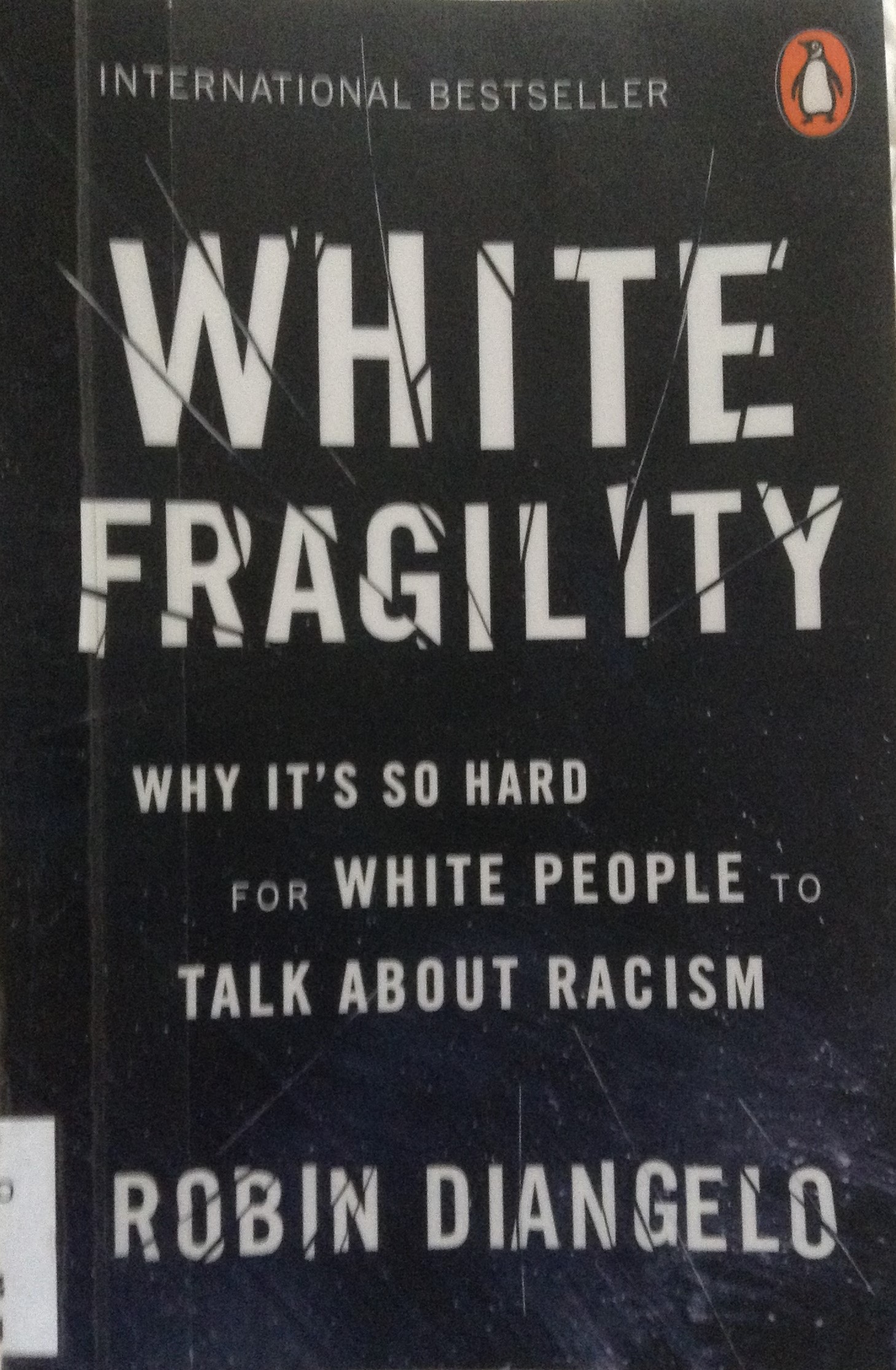
It’s a book about how living in a racist society affects what we think and do, even when we don’t realise it, and about the defensive reactions white people can display when unintentionally racist actions or words are pointed out to them. This is written by a white person (who provides racial sensitivity training for organisations in the U.S.) for white people, and as such has had criticisms of presumption and problematic assumptions. It is U.S.-centric, and probably simplifies or glosses over important points…nevertheless, I wanted to read it…because here’s the thing.
I am racist.
No, I’m not about to don a white hood and burn crosses. I don’t use racial slurs or discriminate on the basis of race, that I know of. But that’s the issue – what don’t I know of? I’m not going to get into breast-beating or false guilt here. Just acknowledging that I grew up in a time when there were a lot of unquestioned racial stereotypes, education about indigenous history was practically non-existent (and one-sided), and prejudice was minimised or ignored. There’s no way I could have not been affected. It’s up to me to be aware of what I’m really thinking and saying, and be able to take criticism on board when I come across it. As a beginning I generally find that if something has made me immediately defensive, it’s probably a signal to search deeper to find where that’s coming from…
The other book? That’s got a lot to do with the lack of indigenous history in my school years.
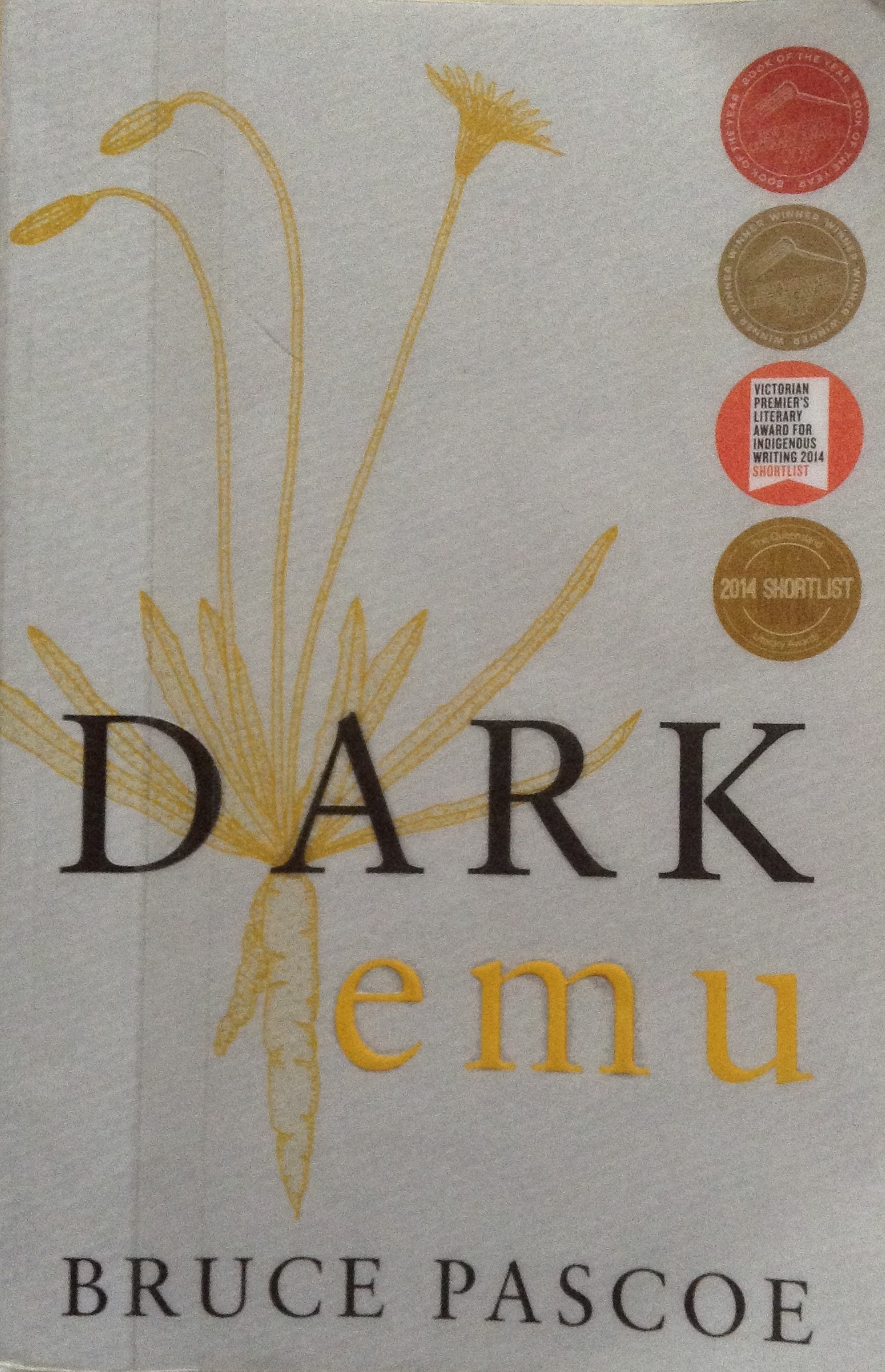
European settlement of Australia was justified by using the argument of “terra nullius“, or saying that the land belonged to no-one, so they were justified in taking it. This point of view has been challenged over the years with varying levels of success, but I would think that the general view of Aboriginal Australia tends to still be along the lines of hunter-gatherers who didn’t settle in one particular place. This book tries to redress the balance, and show that Aboriginal Australia was a place of settlements and various forms of agriculture. There are contemporary settlers’ accounts of settlements of hundreds to over a thousand people in permanent dwellings, with water management systems and storage areas. There are accounts of riding through miles of crop fields. Fish were farmed in rivers, and in some places killer whales worked in tandem with the fishermen to herd fish towards the shore. Some of the areas that are now desert were fertile areas.
All of these things, and more, are noted in colonial diaries and letters, but ingrained prejudice seems to have made them blind to what they were seeing – when confronted with an impressive structure, it seems to have been more likely to have been attributed to some random European passing by sometime in the past than to a flourishing Aboriginal community.
Reading this book was fascinating, but also sad – how much has been lost, and how much can we still save? It seems to me to be worthwhile trying to understand Aboriginal land management and engineering so we can preserve what’s left and even renew what’s almost lost…
Is it ever too late to change?
Reading…
Lots of fun!
…but can also be dangerous to ignorance.
🙂
A song to finish with.
Because it’s never really too late…





 1000 Fields of Roses
Leave a comment